Schedule a FREE Estimate | Paver Sealing | Paver Cleaning and Restoration | Pressure Washing
What Paver Sealing Costs in Southwest Florida

Where these numbers come from
The range above is a working range for the kinds of jobs described in this guide. It is not a fixed price, and it is not a promise about your surface. Every area is measured and looked at before a number is given, because two driveways of the same size can need very different amounts of work.
Treat any price you see online, including this one, as a starting point until someone has seen the pavers in person.
The factors that move the price
Six things do most of the work. Here is each one and which way it pushes.
| Factor | What it does to the price |
|---|---|
| Square footage | Larger areas usually cost less per square foot. Small areas cost more per square foot because setup takes the same time either way. |
| Condition going in | Mildew, rust from irrigation water, oil, and old failed sealer all add prep. Clean, lightly used pavers cost less to prepare. |
| Cleaning and re-sanding | Cleaning is nearly always needed. Replacing joint sand adds material and labor, and it is the line most often missing from a low quote. |
| Paver or travertine | Concrete and clay pavers are one job. Travertine and other natural stone need different products and more care. |
| Sealer type and finish | Solvent or water-based, film-forming or penetrating, natural or wet look. Product cost and coat count both change. |
| Access | Gates, stairs, distance to water, furniture, planters and screened enclosures all change how long the work takes. |
Reviews From Happy Homeowners
Our customers share their experience with quality workmanship, honest recommendations, and lasting exterior improvements.
Square footage: bigger jobs, lower rate
Sealing has fixed effort no matter the size: moving furniture, protecting plants and screens, setting up equipment, and cleanup. Spread that over a large driveway and the per-square-foot figure drops. Spread it over a small entry pad and it rises.
To estimate your own number, measure length by width for each area, add them up, and multiply by the range. Your actual quote will sit somewhere between, or occasionally outside, depending on the other factors below.
Condition going in: this is where quotes really differ
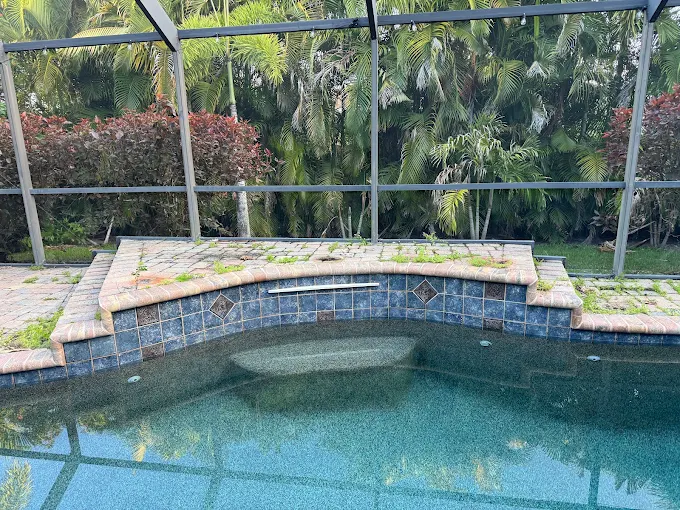
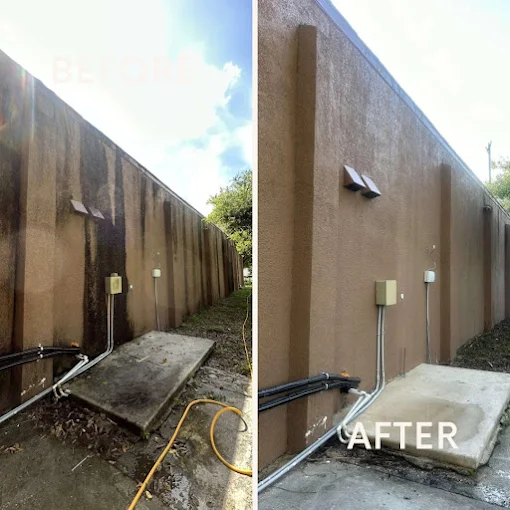
Sealer bonds to a clean, dry, sound surface. Anything on the surface gets locked in, so the condition of the pavers decides how much prep the job needs. Common findings in Southwest Florida:
- Mildew and algae: Summer rain and shade feed it. It has to come off before sealing.
- Rust stains: Irrigation water here often carries iron, which leaves orange streaks that need their own treatment.
- Old sealer: A peeling or cloudy film from a previous coat has to be dealt with, or the new coat will fail the same way.
- Oil and tire marks: Driveways often need spot treatment first.
Each of these adds time. A quote that does not mention any of them either found a clean surface or plans to seal over the problem.
Efflorescence: the cost that shows up later if it is ignored
Efflorescence is the white haze that appears on concrete pavers. It is mineral salt carried to the surface by moisture moving through the paver and left behind as the water evaporates. Florida’s rain, high water table and humidity give it plenty of moisture to work with, and it is common on newer installations. It has to be treated before sealing. Sealer over efflorescence traps the salt under a film, and the haze can end up permanently visible under the coating. A contractor who seals over it is creating a problem you will pay to fix later. Treating it adds cost up front, and sometimes it means waiting to see whether more salt is still coming up before any sealer goes on. That is a reasonable thing for a contractor to tell you, even when it delays the job.
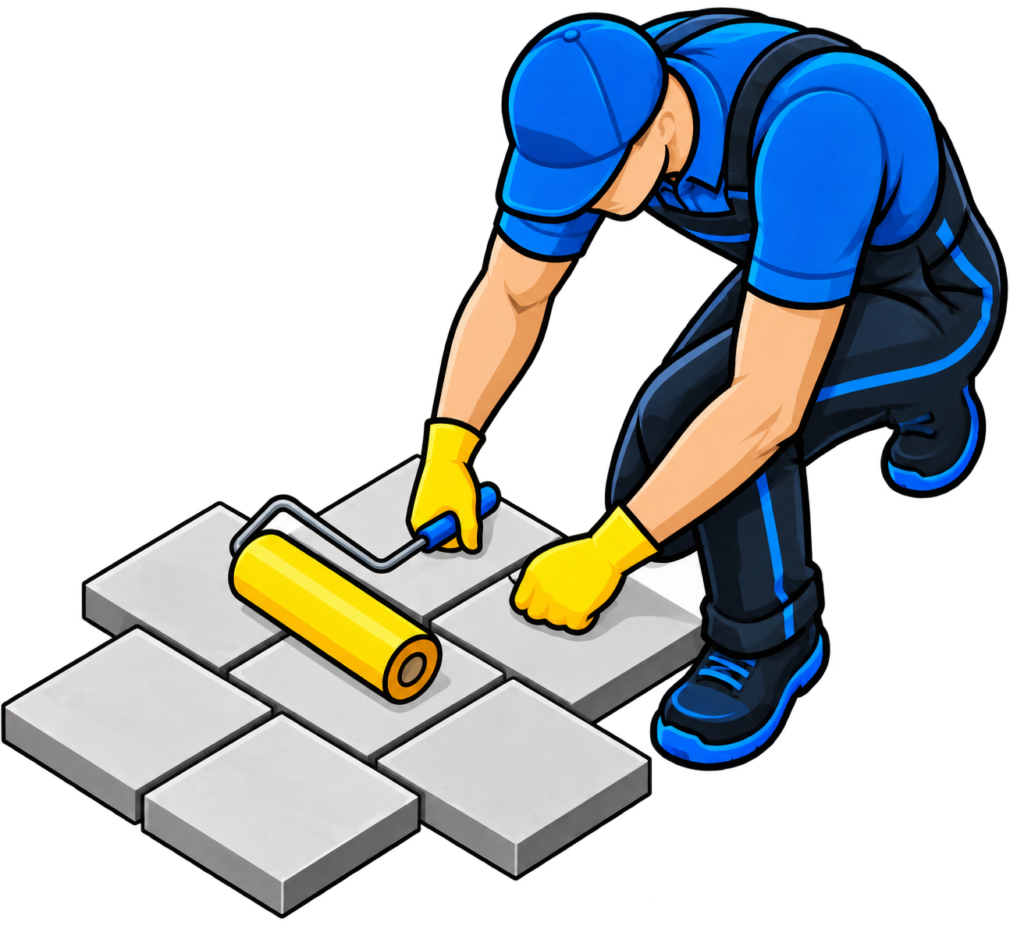
Joint sand and re-sanding
The sand between pavers locks them together, drains water and keeps weeds out. Cleaning removes a lot of it, so most jobs need it replaced. Polymeric sand hardens after it is wet and holds better against washout and weeds. Regular sand costs less and is less durable, especially with Southwest Florida’s summer downpours.
Re-sanding is a line item with real material and labor behind it. When it is skipped, the joints stay open, the pavers can shift, and the seal is not doing much to protect the surface. This is the most common item missing from a cheap quote.
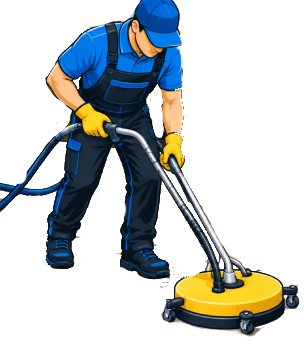
Paver Cleaning and Restoration
They are not the same job. Concrete pavers are dense, cement-based and fairly tolerant. Travertine is natural stone. It is more porous, it can be etched by the wrong cleaner, and high-pressure washing can damage it. Sealer choice, cleaning method and application all change.
Expect travertine to be priced differently from concrete pavers, and for the extra care to show up in the quote. If a contractor quotes both at one flat rate without asking what the surface is, that is worth a question.
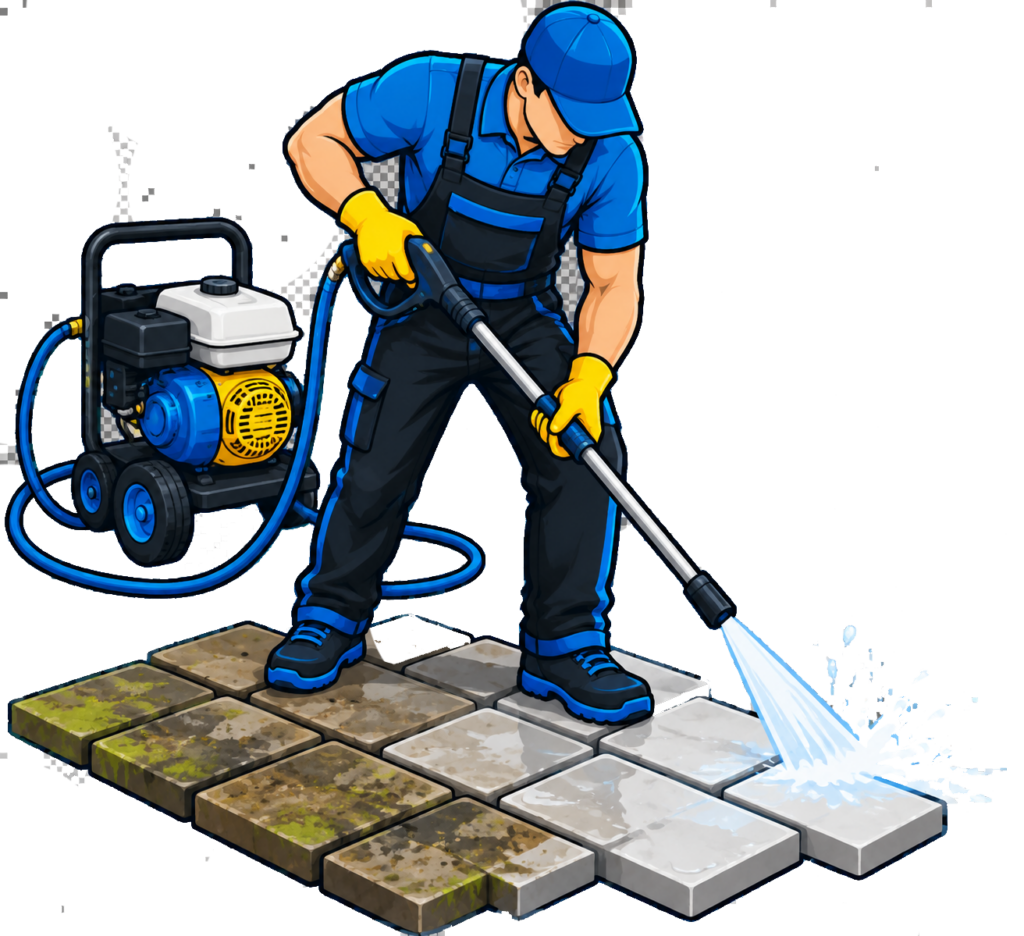
Access and site conditions
Time on site is a large part of the price. Things that slow a job down: tight side yards, multiple levels, screened lanais with limited working room, heavy furniture, delicate landscaping close to the pavers, and no easy access to water. Weather matters too. Direct sun heats the surface, which affects how sealer flashes off and cures, so some work has to happen at cooler hours or on the right days.
Sealer type and finish
Two choices affect the price and the look. There is no single right answer for either.
Film-forming sealers
Sit on top of the surface and create a visible layer. They tend to give more sheen and color depth, and they can wear or scuff where traffic is heavy.
Penetrating sealers
Soak in and leave a more natural surface. They protect from within and show less visible wear, with less change in color.
Solvent-based products
Water-based products
Are easier to live with during application and are more sensitive to moisture and temperature during cure.
Wet look versus natural finish
This is a preference. Wet look darkens and enriches the color and adds gloss. Natural keeps the surface close to how it looks now. Either can cost more or less depending on the product, so choose by the look you want, not by price.
On pool decks and lanais, a glossier finish can feel different underfoot when wet. Traction depends on the paver, the product, and any texture additive used, so ask what options exist. No sealer should be described as slip-proof.
What the cheap quote leaves out
A low quote is not always a bad one, but it is worth reading for what it does not say. The gap between a low and a high price is almost always prep. Check whether it includes:
- Joint sand: replaced with polymeric, or left as it is.
- Cleaning method: what is used and whether it suits your surface.
- Efflorescence: how it will be handled if it shows up.
- Stain treatment: rust, oil and old sealer.
- Coats and product: how many coats, and which sealer type and finish.
- Cure time: how long before foot and vehicle traffic.
- If the quote is a single number with no description, ask for the description.
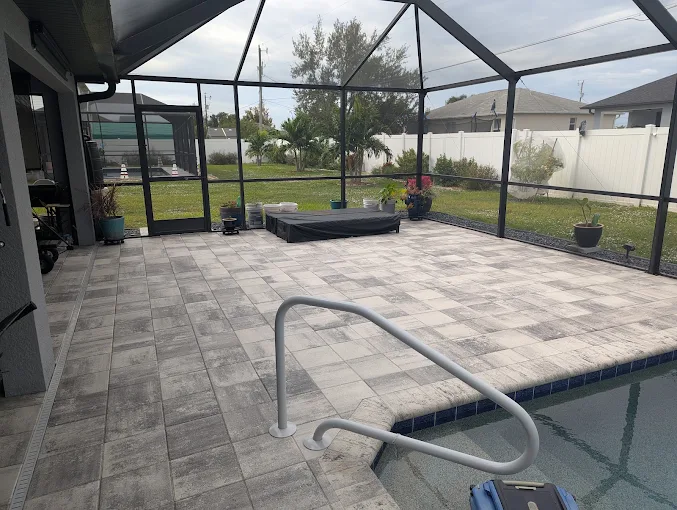
How long a seal lasts and what that does to cost
Cost over time matters as much as the first price. There is no fixed number of years. In Southwest Florida, a realistic interval is often somewhere between two and four years before a surface needs another look, with sun-exposed driveways at the short end and shaded, lightly used areas at the long end.
What moves that interval: direct UV, summer rain, salt air near the water, pool chemicals, foot and vehicle traffic, the product used, and how well the surface was prepared. A sealing schedule that works in Ohio does not carry over here. Ask any contractor what interval they expect for your surface and why.
Common Questions
Is sealing pavers worth the cost in Florida?
How much will my job cost?
Does wet look better than natural finish?
Does sealing stop efflorescence?
Is a sealed pool deck slip-proof?
Can I seal new pavers right away?
Call us today
For a written quote based on your measured square footage and surface condition, call Spotless Solution at 239-341-9788 .