Schedule a FREE Estimate | Paver Sealing | Paver Cleaning and Restoration | Pressure Washing
Pressure Washing in Cape Coral and Lee County

What pressure washing actually involves
Pressure and flow matched to the surface
Surface cleaners instead of a bare wand
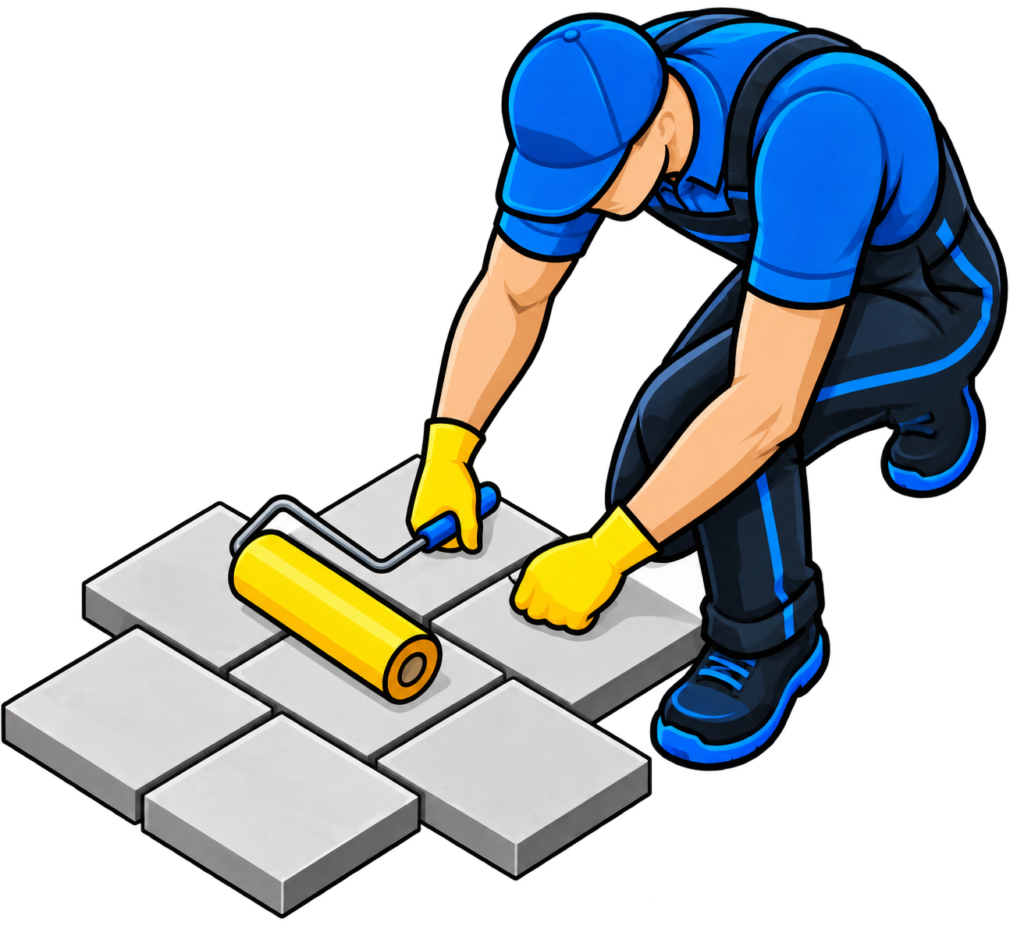
Cleaning solution and dwell time
Soft washing for roofs and house exteriors
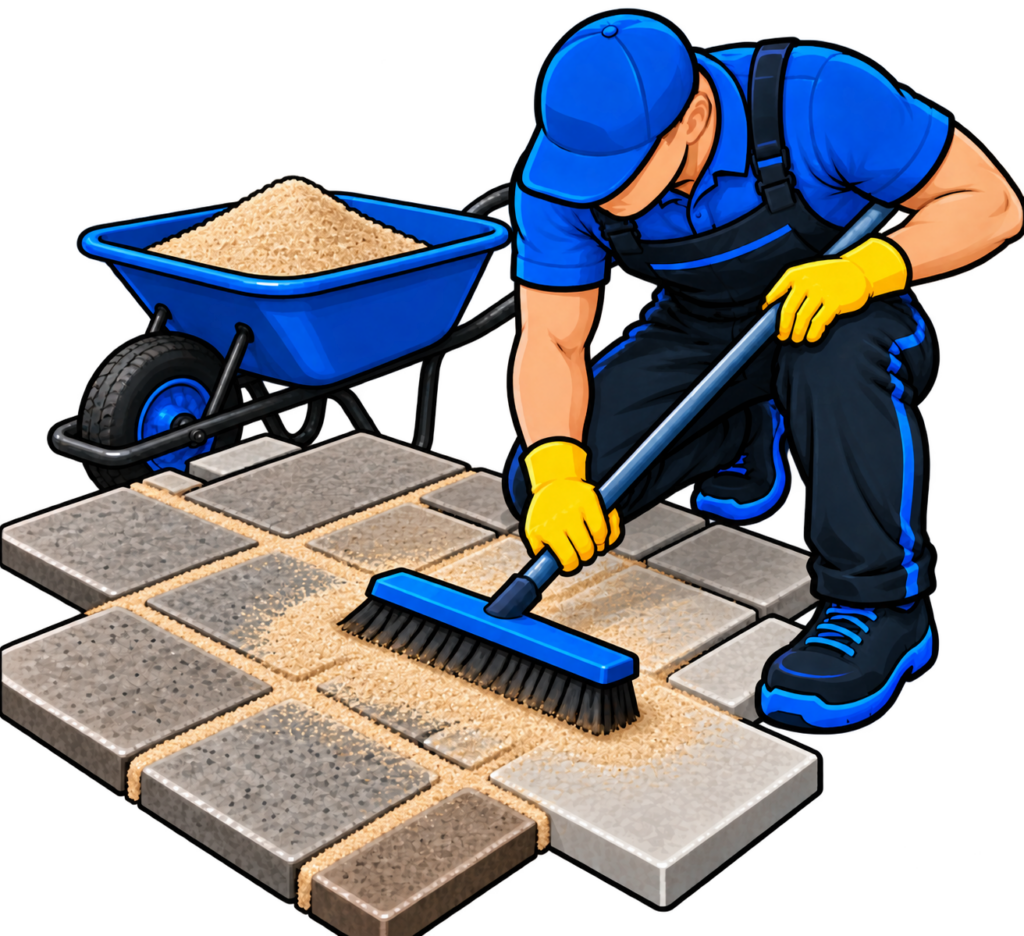
Joints, drainage and runoff
When it is the right answer and when it is not
A wash is the right answer when
The surface is sound
The problem is growth, dirt, tyre marks, oil or mildew, not damage.
The sealer is still working
You want clean, not coated
A wash alone is not the answer when
Sealing slows damage and makes cleaning easier. It will not stop pavers settling, and it will not keep a surface looking good without maintenance. It is worth doing when the surface is ready for it.
The sealer has failed
Dull, patchy pavers that darken when wet are telling you the seal is gone. A wash cleans them, and they stain again quickly. Washing then sealing is the answer, covered by our paver sealing service.
The surface is too far gone to seal
Deep staining, eroded joints or heavy weathering means restoration first, then sealing. Sealing a badly prepared surface locks the problems in. See paver cleaning and restoration.
The pavers have sunk, lifted or cracked
Washing will not fix a base problem, and we will not wash and seal over one. That is a repair for a paving contractor, and we will say so.
The roof is failing
The white haze: efflorescence
If your pavers have a white, chalky haze that comes and goes, that is efflorescence. Water moving through the paver and the sand and base beneath it dissolves mineral salts. When that water reaches the surface and evaporates, the salts stay behind. Southwest Florida produces it in volume: heavy summer rain, a high water table, humid air and sprinklers that soak the pavement daily.
A wash can lift what is sitting on the surface, but it does not stop more coming up, and it has to be dealt with before any sealer goes on. Sealing over it traps salts and moisture under the film, and the result is cloudy white patches that are far harder to fix than the original haze. A contractor who seals over efflorescence to finish the job is storing up a problem for you. We point it out at the estimate and tell you what has to happen first.
What the choice means for how long it holds
Southwest Florida is hard on sealer. In full sun, film-forming sealers on driveways often need attention roughly every two to four years, and penetrating products can run longer, though neither is guaranteed. Shade extends the interval. South-facing driveways, pool decks and waterfront properties shorten it. The product, the number of coats, traffic, irrigation and how the surface is maintained all move the number. A schedule that works in Ohio does not work here.
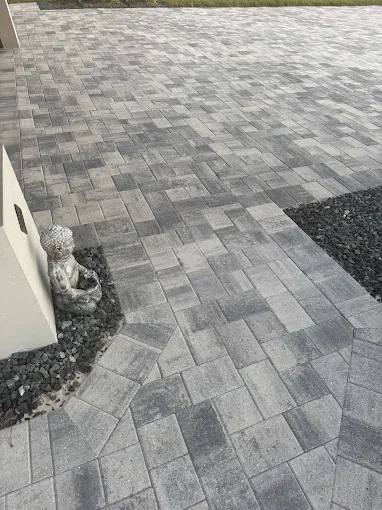
Reviews From Happy Homeowners
Our customers share their experience with quality workmanship, honest recommendations, and lasting exterior improvements.
How we do the work
1
Free on-site estimate
2
Prepare the site
3
Wash by the right method
4
Rinse and inspect
5
Decide on sealing
If sealing makes sense, it is a separate step with its own prep and timing, not something slipped in after a wash.
Realistic timing, drying and cure
Most driveway and walkway washes are finished in a single visit. In sun, a washed surface is usually dry to walk on within a few hours, and slower in shade. If sealing follows, the surface has to be fully dry, joints included, before product goes down. After summer rain that can mean a day or more of waiting.
Sealer then needs a cure window before foot traffic and again before vehicles, set by the product, surface temperature and humidity. We give you the exact times before we start. We do not seal ahead of rain, and summer afternoon storms mean early starts and occasional rescheduling. That is how sealer behaves in Florida, not a sales tactic.
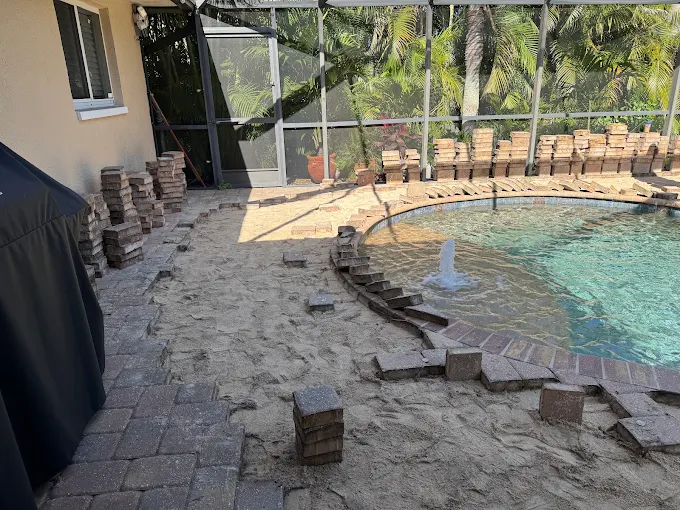
Products and what actually differs between them
A wash uses cleaning solutions. Products become a real decision when sealing follows, and these choices decide how the surface looks and how long it holds.
- Penetrating sealers soak into the pores and protect from within. The surface keeps a natural look with little or no sheen. There is no film to scuff or peel, but there is less colour enhancement and less resistance to surface staining.
- Film-forming sealers build a thin layer on top. They deepen colour, add a wet look and resist stains well, but the film can scuff, wear in traffic paths and turn cloudy if moisture is trapped beneath it.
- Solvent-based sealers usually give a richer colour and bond well, with strong fumes and a tighter application window. They need a bone-dry surface.
- Water-based sealers have lower odour and are easier around plants. The finish is often flatter, and humidity during cure matters more.
- Joint sand stabilisation Regular joint sand washes out in a Florida downpour. Polymeric sand contains binders that harden when activated, which resists washout, weeds and ants, but it needs a dry window to cure without leaving a haze on the paver faces.
- Hot tyre pickup Some film-forming sealers soften under heat and lift when a hot tyre turns on them. On driveways this affects product choice.
- Travertine is a different job It is a natural stone, porous and sensitive to acid, so it is cleaned and sealed with different products from a concrete paver. See travertine sealing.
How long sealing lasts here
Any seal gives way sooner in Southwest Florida than in a cooler climate. Direct UV most of the year, daily summer rain and salt air near the water all wear it down. On a sun-exposed driveway, expect to look at recoating somewhere in a two to four year range. Pool decks and waterfront surfaces often need attention sooner, and shaded areas can go longer. The product, the surface and the exposure move that range more than the calendar does.
Wet surfaces and traction
No washed or sealed surface is slip-proof when it is wet. A film of algae is a common reason pool decks and lanais get slick, and washing removes it. Sealer finish, texture and additives also change traction, and we will talk through the options. We will not promise a wet surface is safe underfoot.
What it costs
Most residential washes fall, and where yours lands depends on the job in front of us. We do not post a fixed price because the same driveway can be a light wash or a long job. The variables are:
- Area and material. Square footage, and whether it is concrete, pavers, travertine, tile or shingle.
- Condition. Heavy algae, oil, rust from irrigation and tyre marks all add treatment steps.
- Access and height. Roof pitch, multiple storeys, tight spaces and water access affect time and equipment.
- Add-ons. Sealing, joint sand and efflorescence treatment are quoted separately from the wash.
The estimate is free and on site.
Where we work
We are based in Cape Coral and serve Lee County within roughly 20 miles of it. That covers Cape Coral, Fort Myers, North Fort Myers, Matlacha, Pine Island, Sanibel and Fort Myers Beach,. The full list of the 29 communities we serve is on our Service Areas page.
Common Questions
Is pressure washing safe for pavers?
It is safe when pressure and technique are matched to the paver and its joints. Too much force blows out joint sand and etches the surface, which is why we check the joints during and after every paver wash.
How often should I pressure wash in Cape Coral?
It depends on shade, water and exposure. Many homeowners wash once a year. Shaded areas, waterfront properties and surfaces near sprinklers grow algae faster and may need it more often.
Do I need to seal after washing?
Not always. A sound surface with working sealer only needs a wash. Sealing makes sense when the old seal has failed, the surface stains easily, or you want the colour and protection a sealer gives.
What is the white haze on my pavers, and will washing remove it?
It is efflorescence, mineral salts carried to the surface by moisture. A wash can remove what is on top, but it will not stop more coming up, and it must be dealt with before sealing. Sealing over it traps it and makes it worse.
Will pressure washing remove rust stains from sprinklers?
Usually not on its own. Irrigation water in this area often carries iron, and rust stains need a treatment aimed at iron.
Can you pressure wash my roof?
We soft wash roofs instead. Low pressure with a cleaning solution kills algae and mildew without stripping granules or forcing water under tile.
Will a pressure washed pool deck be slip-proof?
No. No wet surface is slip-proof. Washing removes the algae film that makes decks slick, and sealer finish and texture affect traction, but we will not promise a wet deck is safe underfoot.
Can I rent a pressure washer and do it myself?
We do not recommend it for pavers, travertine or roofs. Too much force damages joints and etches stone, and a pressure washer can injure the person holding it.
How soon can I walk or park after a wash?
A washed surface is usually dry to walk on within a few hours in the sun. If we seal afterwards, foot and vehicle times depend on the product and the weather, and we give you the exact times before starting.
Ready when you are
Call Spotless Solution LLC at 239-341-9788 for a free on-site estimate. Joey runs every job as an owner operator, and we will tell you plainly whether you need a wash, a restoration or a seal.