Schedule a FREE Estimate | Paver Sealing | Paver Cleaning and Restoration | Pressure Washing
Pressure Washing in Cape Coral and Lee County
Pressure washing removes the algae, mildew, dirt, oil and iron staining that Southwest Florida leaves on outdoor hard surfaces. Spotless Solution LLC is an owner operated exterior company in Cape Coral, and we wash driveways, walkways, pool decks, lanais, roofs and house exteriors across Lee County. The method changes with the surface: concrete and pavers get one approach, travertine another, and roofs and stucco get soft washing instead of high pressure. If your pavers need sealing rather than only a wash, we will tell you and explain why. We work outdoors only, and estimates are free and on site.

What the work involves
Sealing travertine is a series of decisions made in the right order. Skipping one is how a deck ends up cloudy, blotchy or slick.
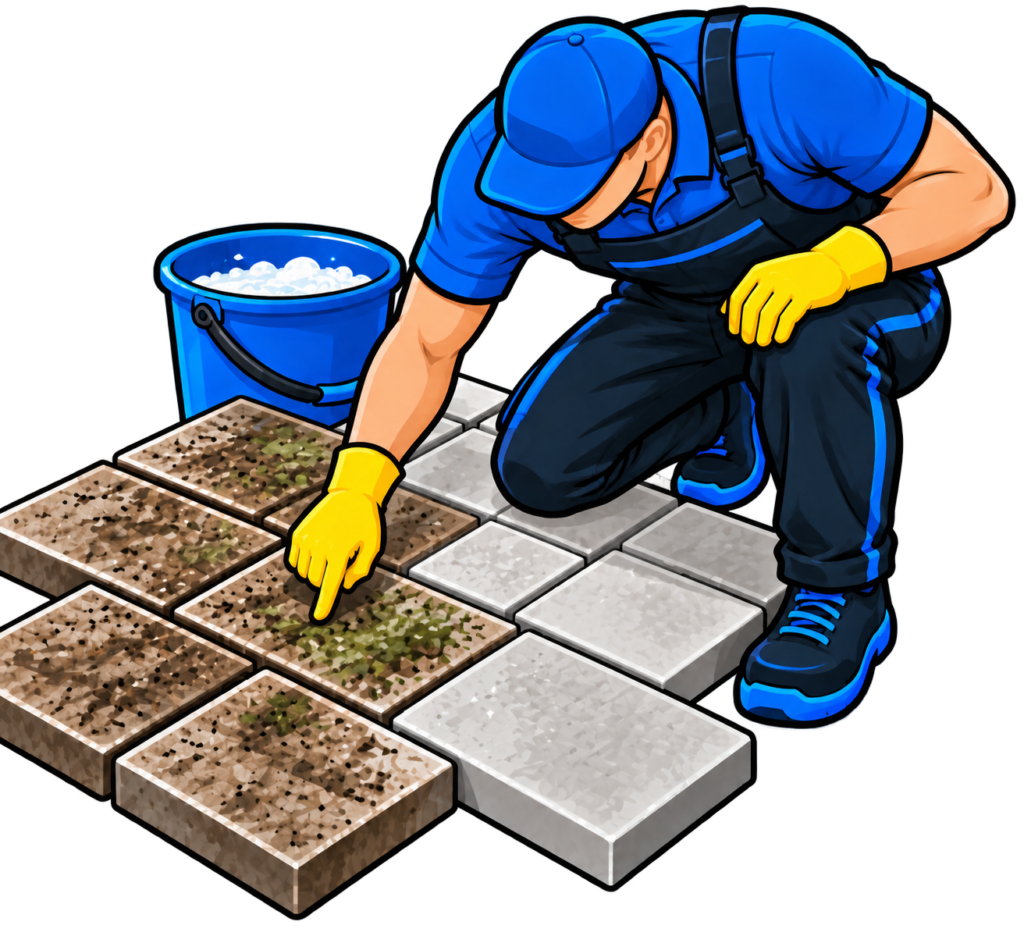
Identify the stone and its finish
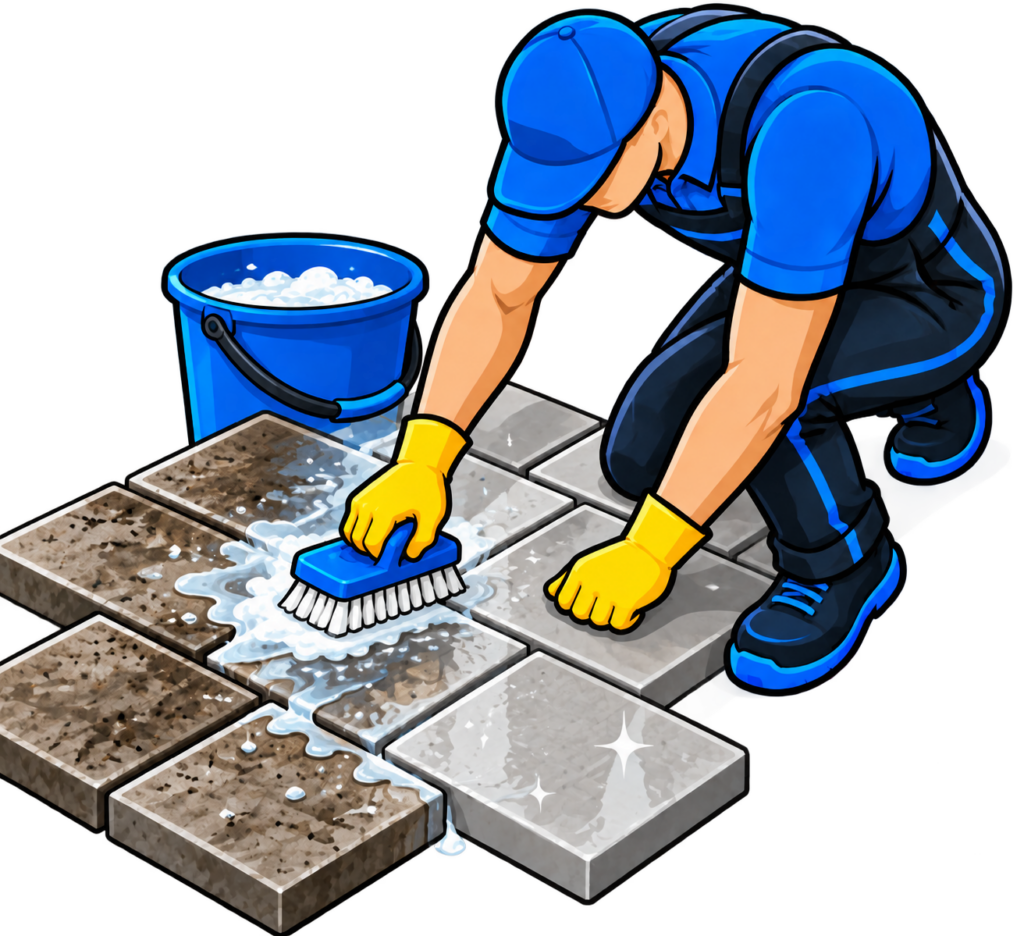
Clean without damaging the stone
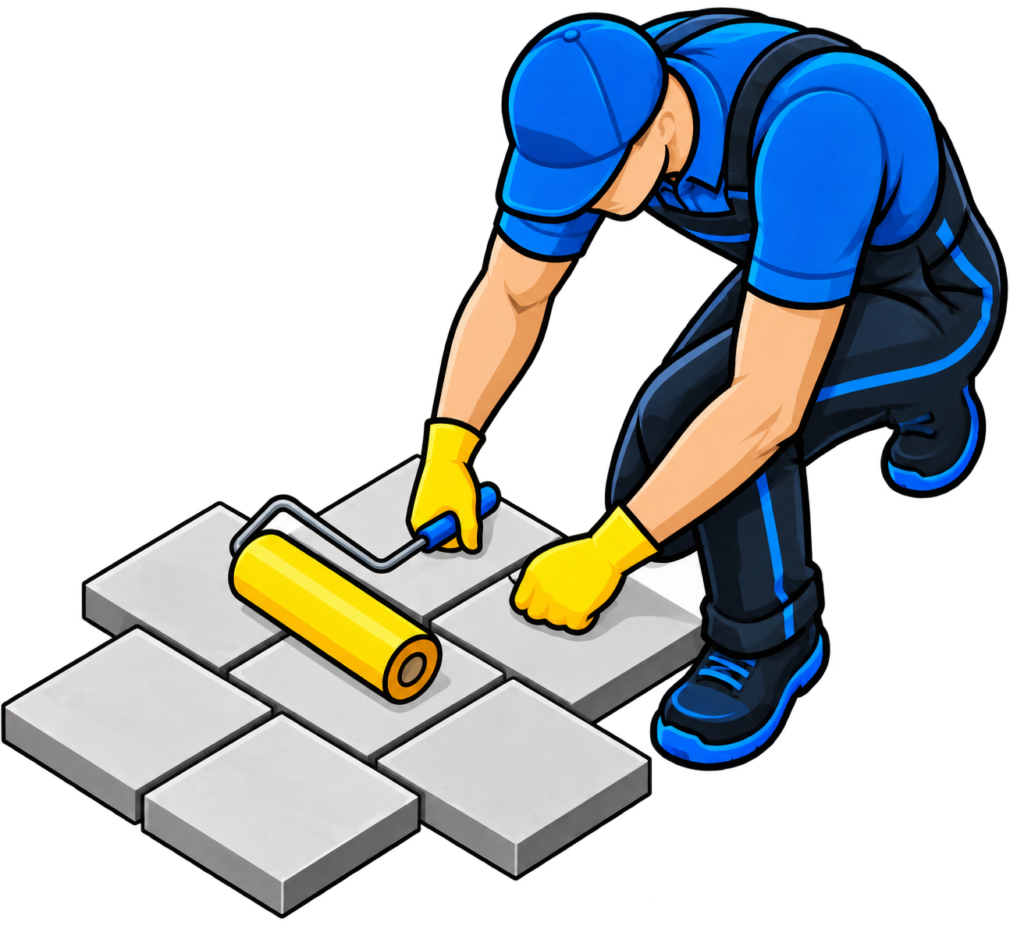
Deal with efflorescence before any sealer goes down
Check the joints and the surface
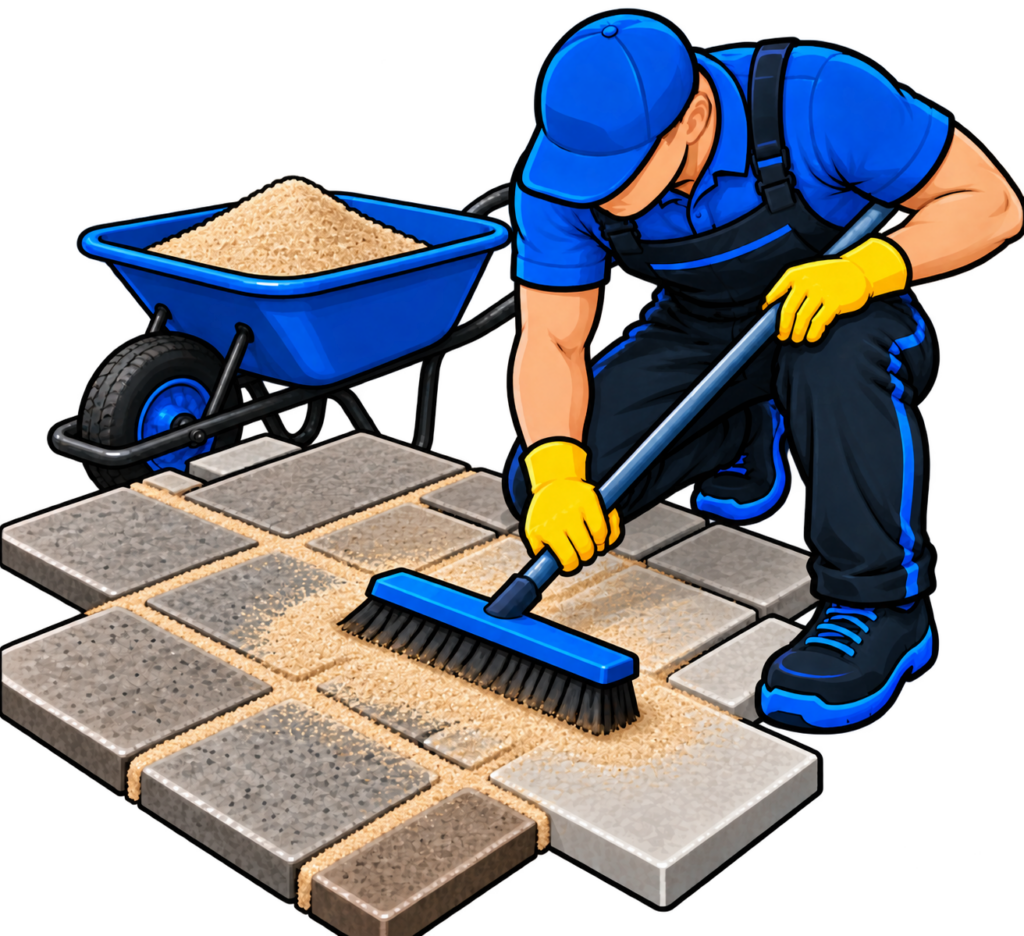
Match the sealer to the stone
There are two broad families of sealer, and the difference matters on natural stone:
Penetrating (impregnating) sealers soak into the pores and sit inside the stone. The surface still looks and feels like stone, which is why they are the usual choice for pool decks and lanais. There is no film on top to whiten under moisture or wear through under UV.
Film-forming sealers leave a layer on the surface. They can add gloss and color depth, but on wet, sun-exposed travertine a film can turn slick, cloud when moisture is trapped beneath it, and peel.
The carrier matters too. Solvent-based sealers generally carry deeper into dense stone but have a stronger odor and a tighter working window. Water-based sealers are lower odor and suit some conditions better. Stone temperature, moisture in the stone and cure time decide whether a sealer can go down on a given day. You can also choose a natural finish or a color-enhancing one that darkens the stone, and decide on a small test area.
What makes this different from Driveway Paver Sealing
A product sold for pavers is not automatically right for travertine, marble or shellstone. The two jobs use different cleaning, different sealers and different judgment.
| Travertine and natural stone | Concrete pavers | |
|---|---|---|
| Material | Natural limestone or marble, soft and varied from stone to stone | Manufactured cement and aggregate, uniform |
| Acid | Etches and dulls on contact | Generally tolerates cleaning products that would damage limestone |
| Typical sealer | Penetrating, chosen for the specific stone | Often film-forming for color and joint stability, depending on the job |
| Main problems | Staining, efflorescence, etching, algae on wet surfaces | Fading, oil, hot tire pickup, joint sand loss |
| Joints | Grout or sand, checked for water paths | Joint sand, often polymeric |
If your surface is concrete pavers, especially a driveway, that is a different job and our Driveway Paver Sealing page is the one to read. Not sure what you have? Send a photo or call and we will identify it. Pressure washing alone is also separate: a wash cleans, it does not protect.
When it is the right answer and when it is not
Sealing is a good fit when:
The stone is clean, sound and dry, and spills soak in quickly instead of beading.
It is a pool deck, lanai, entry or driveway in full sun or in the splash zone.
You want to slow down water, iron and oil staining and make routine cleaning easier.
An earlier sealer has worn off and water now darkens the stone and stays dark.
Sealing is not the answer when:
Efflorescence is active
If the haze keeps returning, moisture is the problem and sealer will not fix it.
Stone is cracked, settled or lifting
That is a base problem for a paving contractor.
An old film-forming coating is failing or peeling
It has to be dealt with before anything new goes on, and that can be more than a sealing job.
Acid damage has already etched the surface
Sealer will not bring back polish. Restoring etched stone is a stone honing and polishing trade.
The floor is indoors
We do exterior work only.
Sealer slows staining. It does not make stone stain-proof, and it does not stop algae growing on shaded, damp areas.
Reviews From Happy Homeowners
Our customers share their experience with quality workmanship, honest recommendations, and lasting exterior improvements.
How we do the work
1
Site visit and estimate
We identify the stone and finish, check the condition and look for any existing sealer. You get: a written free estimate with the area and scope.
2
Stone-safe cleaning
Dirt, algae and staining are removed with methods suited to the stone. You get: a clean surface, plus a note on any stain that will not fully lift.
3
Efflorescence and moisture check
We look for salt haze and for signs that moisture is still coming through. You get: a straight answer on whether to seal now or wait.
4
Sealer selection
5
Application and cure guidance
The sealer goes on within its own working window. You get: written instructions on when the area can be walked on, when furniture can go back and when the pool deck can be used, based on the product’s cure time.
6
Reseal guidance
You get a realistic interval for your deck, not a one-size number.
What it costs
Most travertine and natural stone sealing jobs fall. Where yours lands depends on:
- Total area, including the deck, lanai, entry and any steps.
- The stone. Shellstone and open-pored travertine absorb more sealer than dense stone.
- Condition. Efflorescence, iron stains and algae all add cleaning time.
- Existing coatings that have to be dealt with first.
Estimates are free and written, and we give them after seeing the stone. We do not price a surface we have not identified.
Cost over time. For penetrating sealers on Southwest Florida travertine, a reseal every two to four years is a realistic range, and it can be shorter. It moves with how much direct sun the stone gets, how often summer rain and irrigation hit it, how close it is to salt air, pool splash-out and foot traffic, and the product used. A sealing schedule that works in Ohio does not work here.
Where we do this work
We are based in Cape Coral and serve 29 communities across Lee County within roughly 20 miles. This one page covers the whole territory, so here is where this service actually concentrates:
- Newer gated communities across Lee County. Travertine is the standard pool deck material in much of this newer construction. Communities we work in include.
- Cape Coral and Fort Myers. Full sun, heavy summer rain and salt air near the water wear sealer fastest.
A separate note for waterfront owners. Dock and seawall cleaning is its own service, and most of that work is in Cape Coral, Lochmoor, St. James City and Matlacha. It is surface cleaning only. Structural seawall repair is a marine contractor’s work and we do not do it.
Common Questions
Can I use the same sealer on travertine that I would use on concrete pavers?
Not automatically. Travertine, marble and shellstone are softer, more absorbent and sensitive to acid, and a sealer sold for pavers may not suit them. Some film-forming products can cloud or turn slick on natural stone.
Will sealing stop the white haze on my travertine?
No, and sealing over it makes it worse. That haze is efflorescence, salt carried up by moisture moving through the stone and the bed under it. It has to be dealt with first.
Will sealed travertine be slip-proof around the pool?
No. We do not describe any stone or sealer as slip-proof. Traction depends on the stone finish, the sealer type, algae and the water on the surface. We can talk through the options, but we will not promise a result.
How often does travertine need to be resealed here?
Will sealing change the color of my stone?
Do you seal interior marble or travertine floors?
Get a free estimate
Tell us what stone you have and what it is doing. We will tell you what we would do if it were our own deck, including when the answer is to wait.